

Noise travelling through floors is a persistent problem in both new and older buildings. Impact sound from footsteps, dropped objects, and furniture movement can be particularly difficult to manage without the right materials in place. Modern flooring systems offer effective solutions when designed correctly, and the choice of boarding plays a central role in determining how well a floor performs acoustically. Understanding the options available and how different products contribute to noise reduction is the first step towards a quieter, more comfortable space.
What Makes a Floor Acoustically Effective
An acoustically effective floor does two things well. It reduces the transmission of airborne sound, such as voices and music, and it limits the transfer of impact sound generated by physical contact with the floor surface. Achieving both requires materials that combine mass with damping properties. The layers within a floor assembly work together, and each component contributes to the overall result. Selecting the right boarding at the finishing layer is critical because it determines how vibrations are distributed and absorbed across the structure.
Acoustic Chipboard and Its Place in Floor Systems
Acoustic chipboard is a specially engineered product designed to deliver improved noise reduction compared to standard flooring grade chipboard. It incorporates acoustic properties within the board itself, helping to dampen vibrations at the point of impact rather than allowing them to transfer directly into the subfloor and ceiling below. Acoustic chipboard is commonly used in domestic new-build and refurbishment projects where floor performance must meet specific acoustic standards, including those set out in Part E of the Building Regulations.
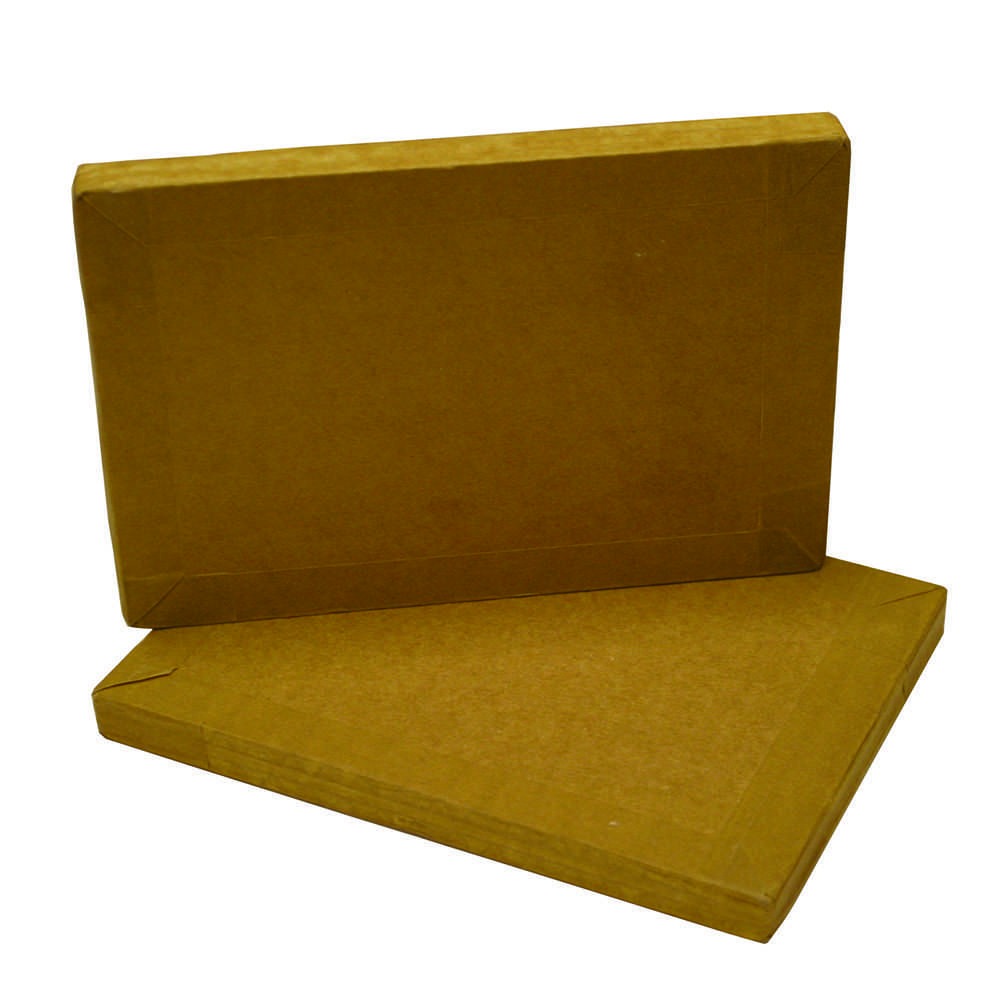
acoustic chipboard
Acoustic Sound Insulation Across the Full Floor Assembly
Boards alone rarely deliver the full acoustic performance required for modern buildings. Boards alone rarely deliver the full acoustic performance required for modern buildings. Pairing acoustic chipboard with a suitable acoustic sound insulation layer beneath it significantly improves both impact and airborne noise reduction. The underlay acts as a resilient buffer, absorbing energy before it enters the structural floor. Together, these two layers form the foundation of a robust acoustic floor system that can be tailored to meet different performance specifications depending on the project requirements.
Installation Principles That Protect Acoustic Performance
Even the best materials can underperform if installed incorrectly. Acoustic chipboard must be laid with care, ensuring that joints do not create pathways for sound flanking. Expansion gaps should be maintained around the perimeter, and the boards should be glued at all joints to prevent movement that could generate noise over time. The underlay beneath should be continuous and free from gaps or overlaps that might create inconsistencies in the acoustic barrier. Acoustic sound insulation performs best when installed as part of a complete system rather than as an afterthought.
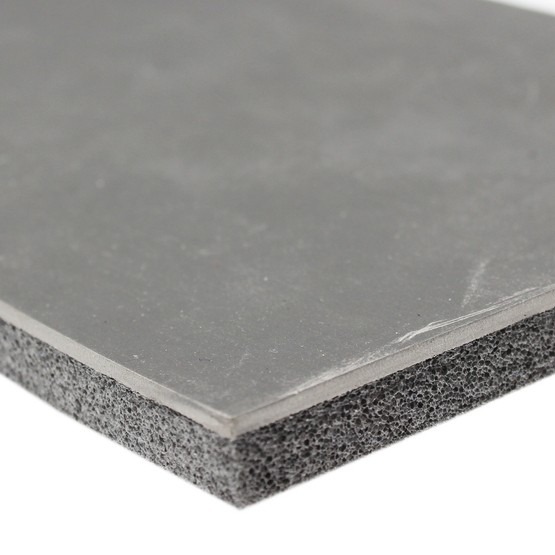
acoustic sound insulation
Regulatory Compliance and Performance Testing
Buildings in the UK are subject to acoustic performance requirements that vary depending on the building type and whether it is a new build or a material change of use. Acoustic chipboard products and the systems they form part of are tested to recognised standards so that specifiers can be confident of compliance. Selecting products with documented test data removes uncertainty from the specification process and provides a clear audit trail should acoustic performance be questioned during a building control inspection.
Conclusion
A well-designed acoustic floor system is one of the most effective investments a builder or property developer can make. The combination of the right boarding, appropriate underlays, and correct installation technique delivers a result that benefits occupants for the life of the building. Getting the specification right from the outset saves time, cost, and frustration later in the project. Insulation Point Limited stocks a comprehensive range of acoustic flooring products to support every stage of your build.